🔬True sustainability means protecting our planet from the macro level down to the microbial
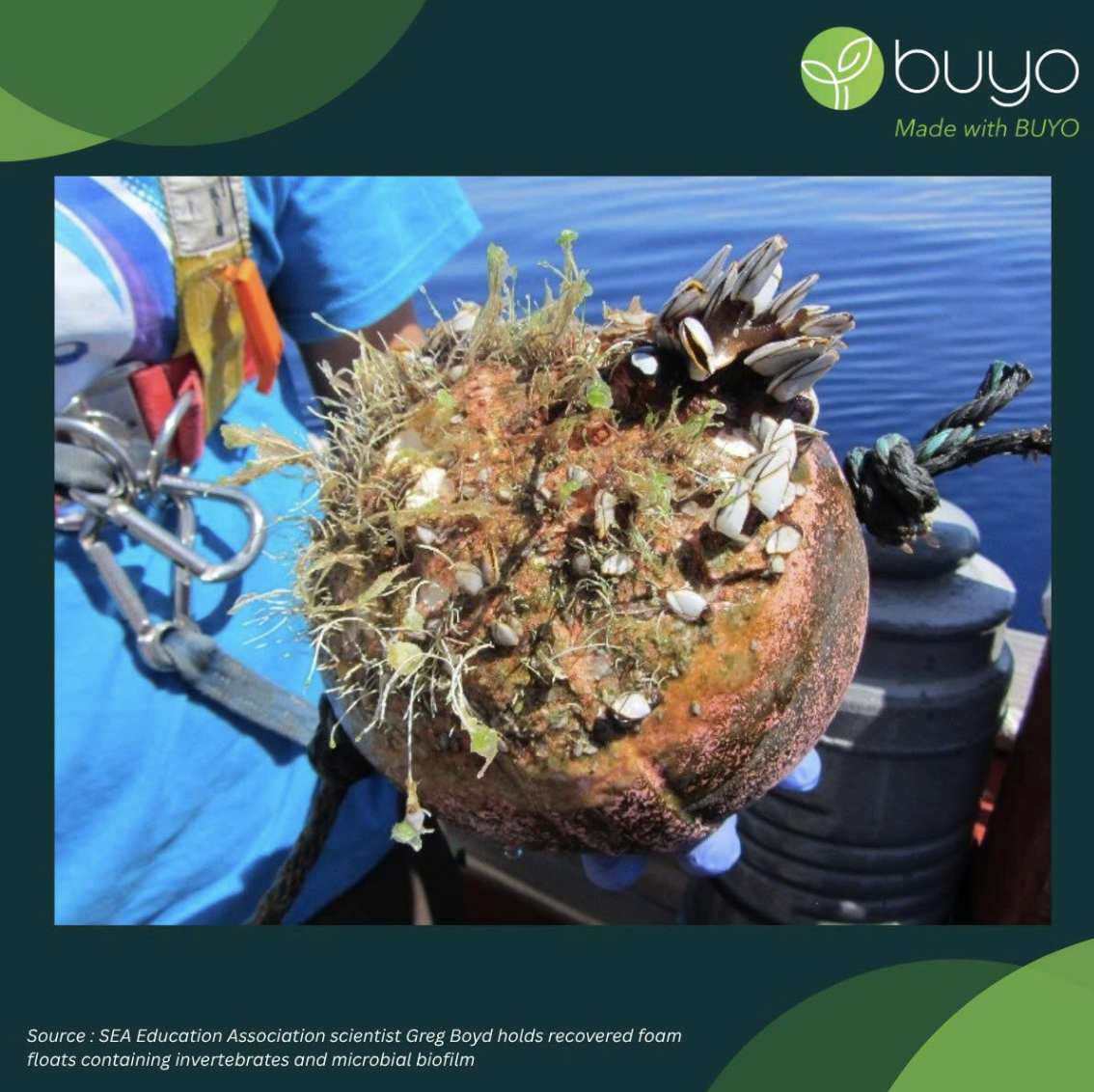
We often view plastic pollution through a macro lens - clogged rivers, trapped wildlife, and overflowing landfills. But a far more insidious threat has quietly evolved beneath the surface.
An entirely new, human-made ecosystem: The Plastisphere
Long-living tiny pieces of plastics provide the perfect surface for bacterias, fungi and algae to grow on. Tracy Mincer, a scientist at Woods Hole Oceanographic Institution, has coined the term "microbial reef” to describe the complexity and biodiversity of these ecosystems. Like coral reefs, they host a multitude of primary producers, grazers, predators, and decomposers - many of which are not normally found in the ocean, but are able to survive thanks to these plastic bits.
It is no surprise that the emergence of a new artificial habitat comes with immense implications for planetary and human health:
🦠The long lifespan of plastics means microbes in the Plastisphere are able to survive longer and be transported longer distances, spreading invasive species and disrupting natural nutrient cycles.
🛡️Floating pieces of plastic act as a shield, protecting microbes from natural stressors such as UV radiation - creating a hotspot for rapid bacterial evolution. As the population of antibiotic-resistance bacteria grows, the risk of disease transmission amongst animals and humans is only exacerbated.
We are only beginning to understand the true threats of the Plastisphere. However, it is clear that simply recycling traditional plastics will not stop this microscopic ecosystem from growing. Instead, we must change the substrate entirely.
👉 Explore our journey to replace plastics with bio-based materials at buyosolutions.com