Vietnam's EPR Law Is Already in Effect — Here's What It Means for Your Procurement Checklist
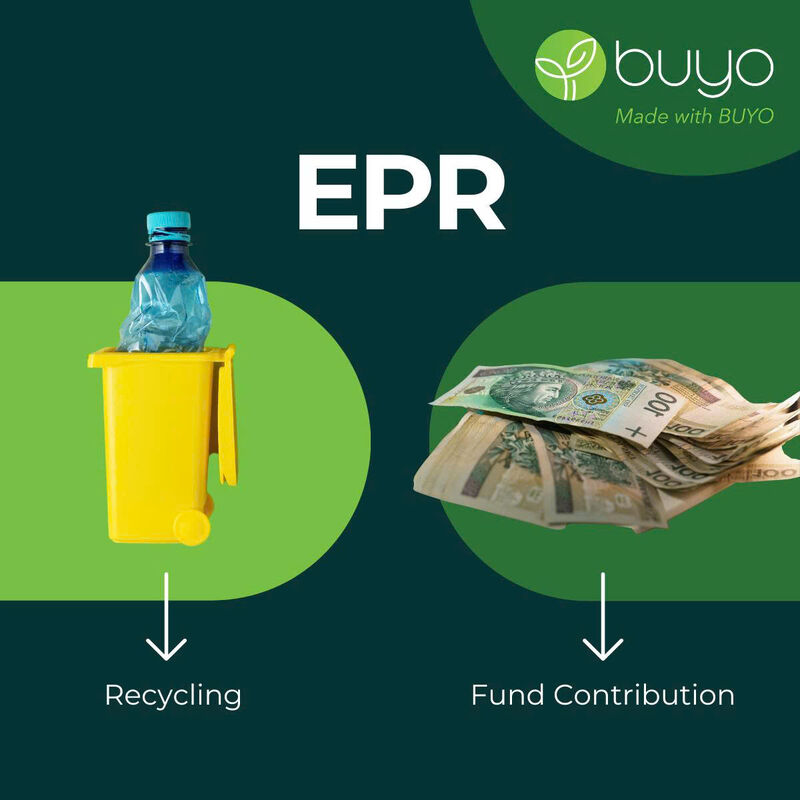
Vietnam's Extended Producer Responsibility regulation took effect on 1 January 2024. If your company imports products or packaging with recyclable value, you are now legally required to ensure those materials are recycled according to mandatory ratios set by the Ministry of Natural Resources and Environment (MONRE). Non-compliance is not a grey area.
For procurement teams, this regulation changes the calculus on every sourcing decision involving packaging. Here is what you need to understand — and build into your supplier evaluation criteria.
Your two compliance pathways
Pathway 1
Direct recycling
-Manage recycling activities internally on an annual basis
-Contract a licensed recycling unit for your waste streams
-Authorise a MONRE-registered intermediary organisation
-Annual results due to MONRE by 31 March
Pathway 2
Fund contribution
-Contribute to the Vietnam Environmental Protection (VEP) Fund
-Fund finances recycling infrastructure and programmes nationally
-Often the more straightforward route for importers
Non-compliance is not a grey area. Both pathways carry reporting obligations. Organisations that have not yet assessed their EPR exposure are already behind.
Where compliance actually starts: at procurement
Most organisations treat EPR as an end-of-life problem — something for the sustainability or legal team to manage once the product has already been brought in. This is the wrong frame. The recycling obligation your organisation carries is determined entirely by the materials you procure.
Bring in conventional plastic packaging, and you inherit a mandatory recycling obligation for every unit. Bring in biodegradable, home-compostable, or industrially compostable alternatives, and those materials sit in a fundamentally different position under the framework — designed to exit the waste stream through natural or managed degradation, which changes both the recycling calculation and the operational burden on your compliance team.
Procurement decision
Material choice determines EPR obligation — conventional plastic creates a mandatory recycling liability per unit imported
Biodegradable alternative
Home- or industrially-compostable materials exit the waste stream through degradation — reducing the recycling volume you must account for under EPR
Reduced compliance burden
Lower recycling obligations, simpler reporting, and reduced exposure to future regulatory tightening
What to build into your supplier evaluation criteria
For procurement teams operating in Vietnam's evolving regulatory environment, the material certification status of your packaging supplier is no longer a secondary consideration. It is a compliance input. When evaluating suppliers, look for:
Certified home compostable or industrially compostable — not self-declared, independently verified against recognised international standards
Zero-microplastics verified — ensures you're not introducing a new environmental liability in place of the old one
EPR-position clarity — a credible supplier should be able to tell you exactly where their materials sit within Vietnam's EPR framework and what that means for your reporting obligations
BUYO supplies certified compostable packaging across a wide range of applications — designed specifically to reduce the recycling volume your organisation needs to account for under EPR.
Procurement decisions made today will determine compliance exposure tomorrow. The organisations that build material certification into their sourcing criteria now will be the ones best positioned as Vietnam's regulatory environment continues to tighten.
Navigating EPR compliance for your packaging procurement?
Talk to BUYO about certified compostable alternatives that reduce your recycling obligations.